A new kind of iPhone

iPhone Duo

I'm building apps for iPhone Duo, and writing down everything I learn on the way. This is where that lives: what I'm making, a reference for developers, a directory of Duo apps, and notes from the work itself.

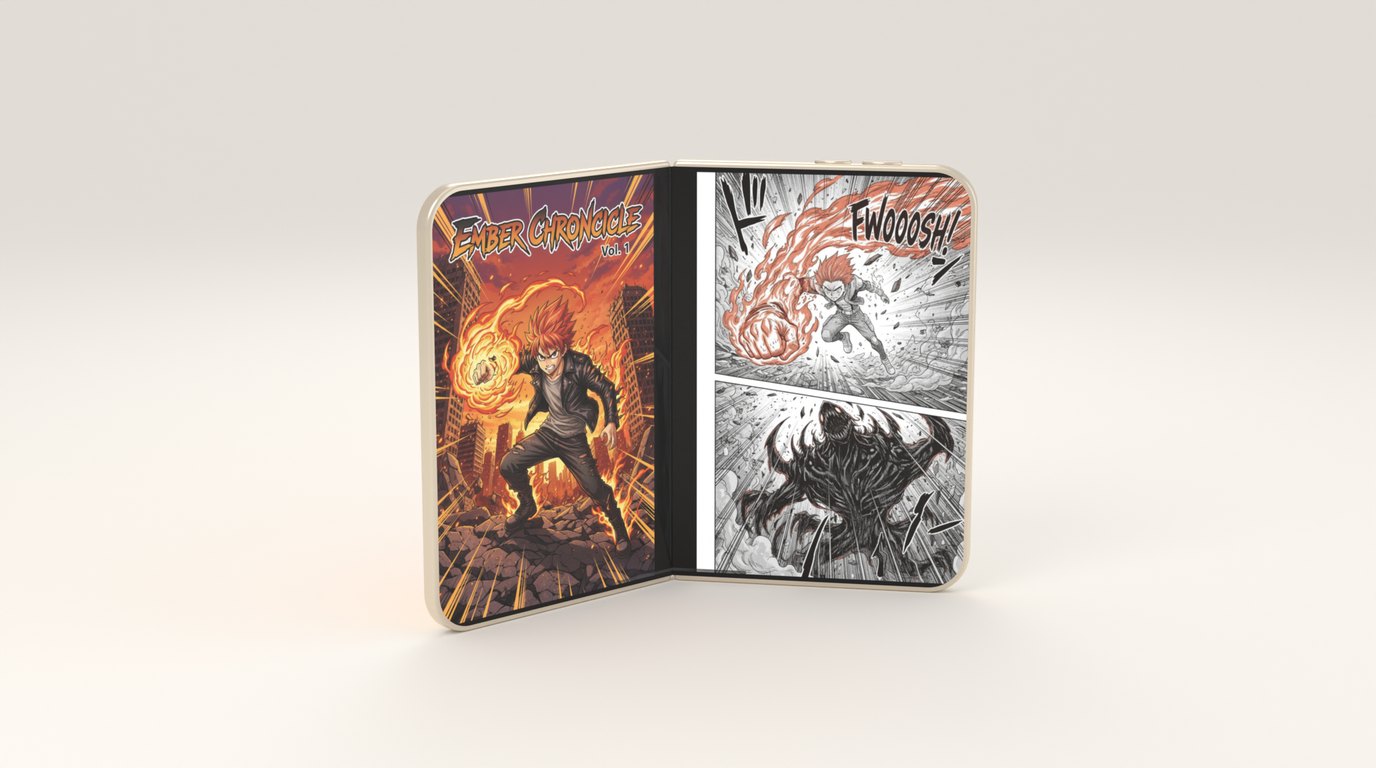
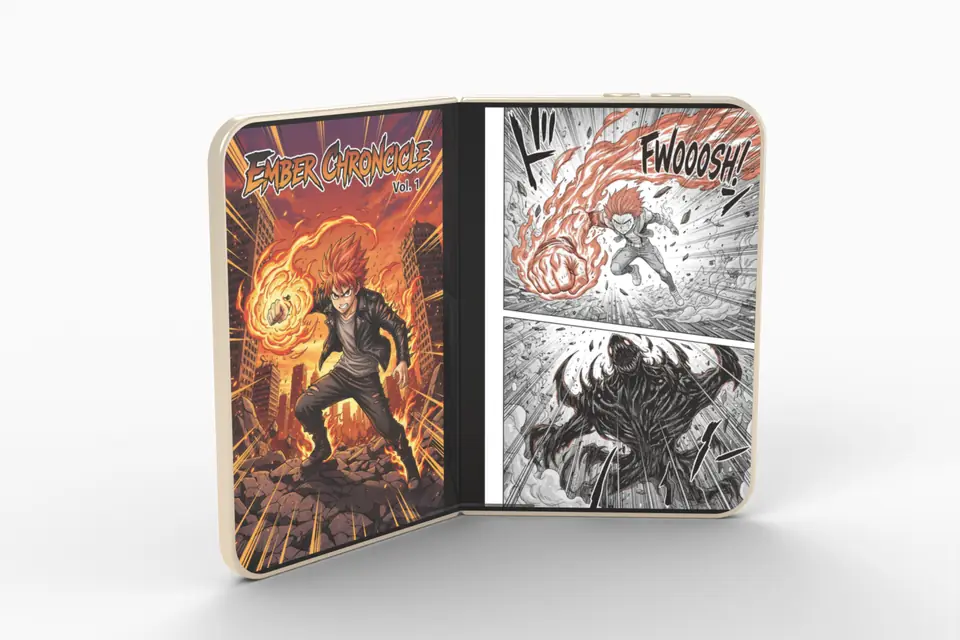
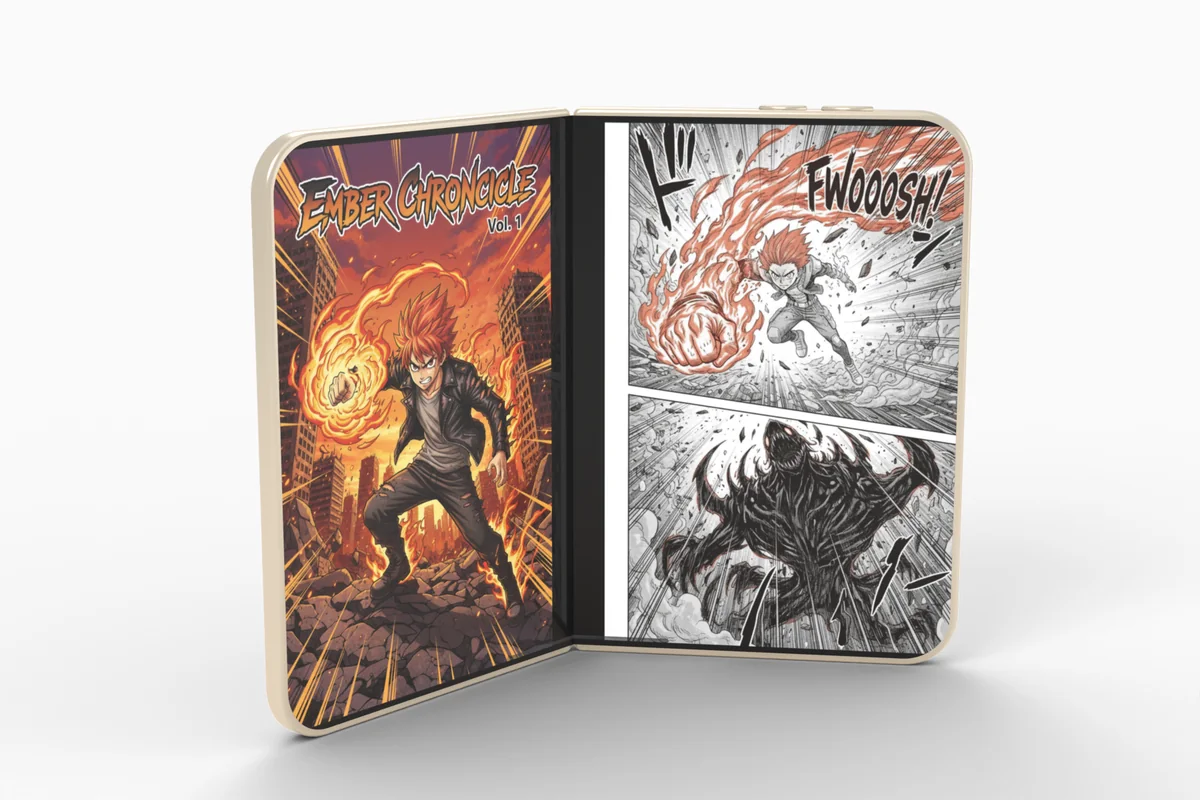
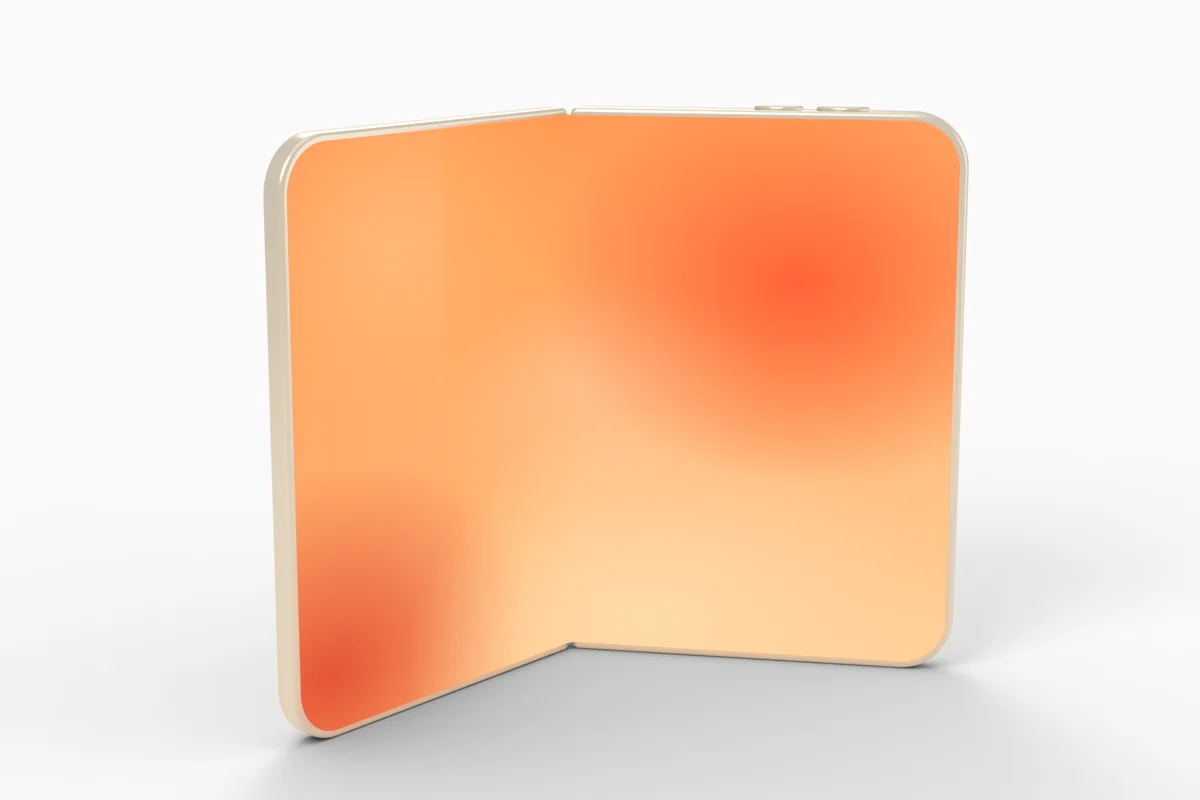
A rendered iPhone Duo standing open like a book, showing a two-page comic spread across the fold
Open flatBook pose

One phone, held four ways

The same device is a phone, a small tablet, a book and a tiny laptop, depending on how far it's open and how it's standing.

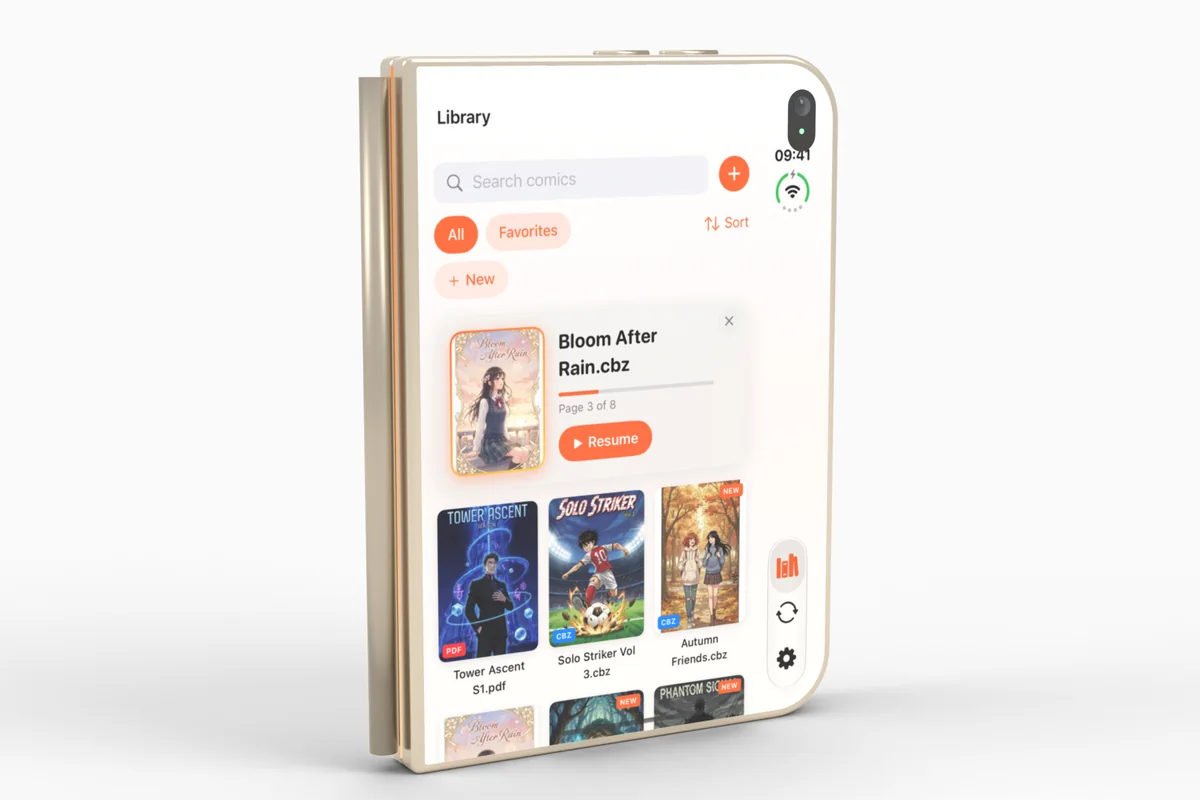
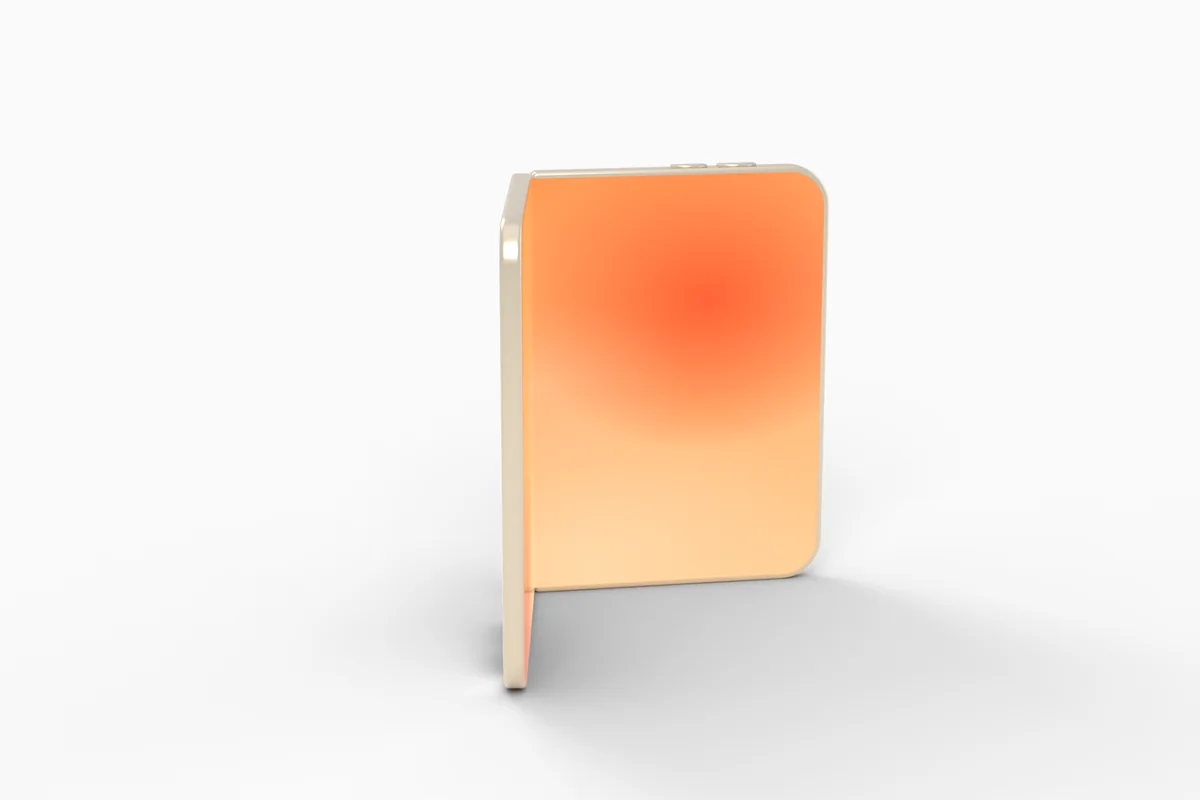
A closed iPhone Duo standing upright with its outer screen lit
ClosedA normal phone. The outer screen, one hand.
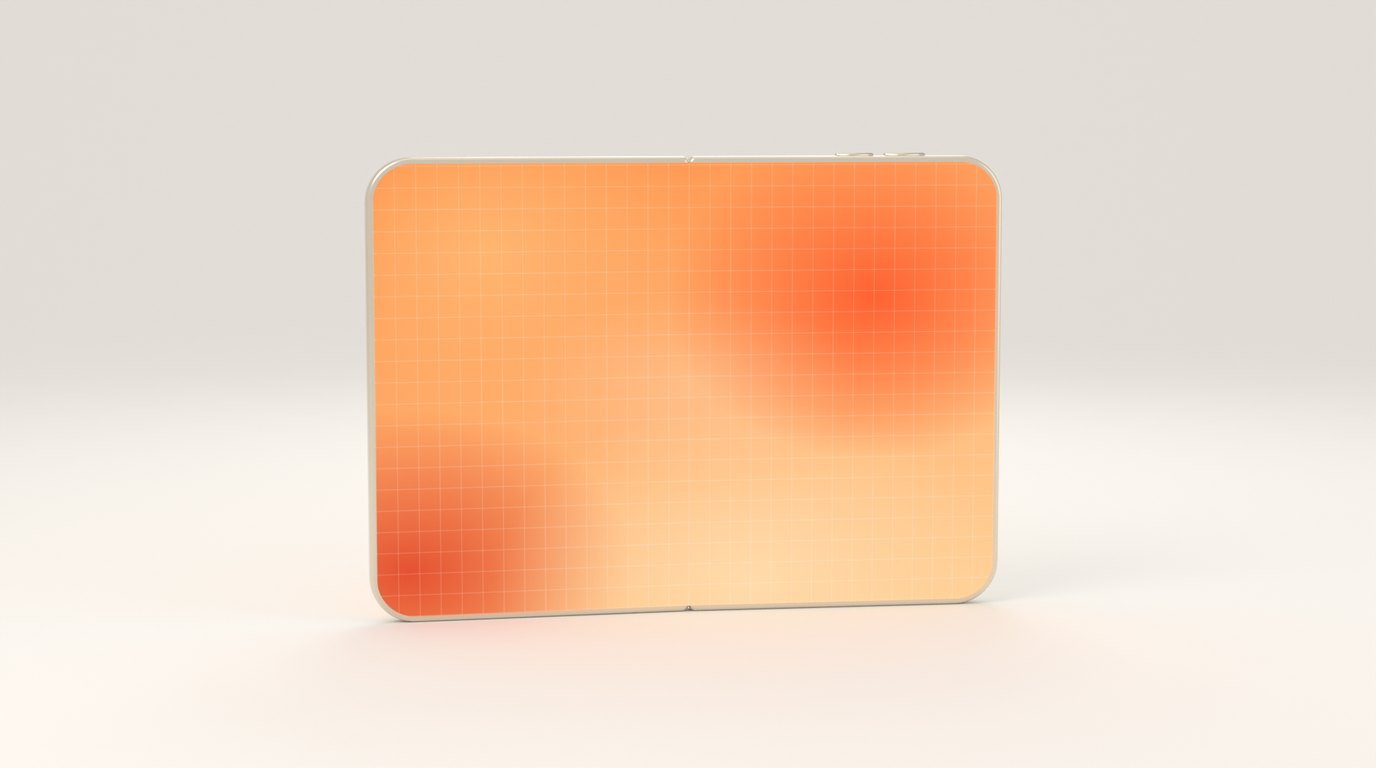
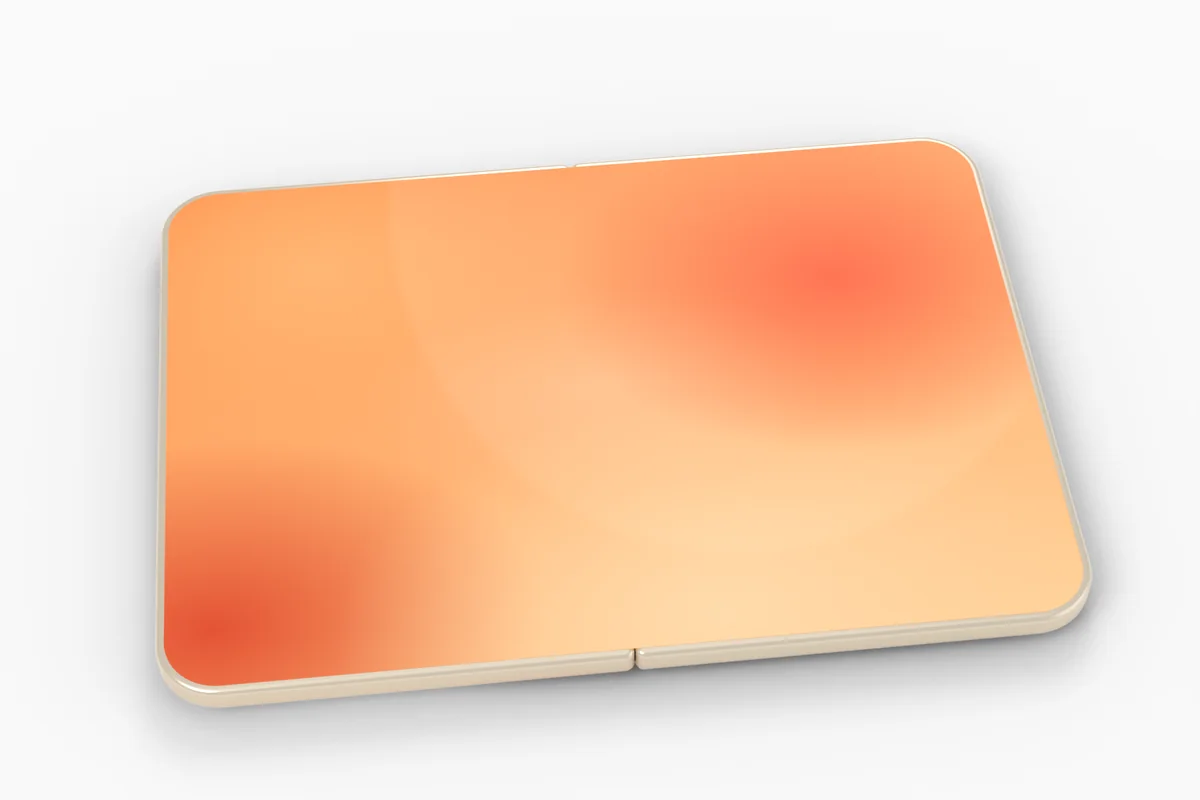
An iPhone Duo opened flat, standing, with its whole inner screen lit
OpenThe inner screen, as wide as a small tablet.
An iPhone Duo standing partly folded like an open book, showing a comic spread
BookPartly folded. The fold becomes a spine.
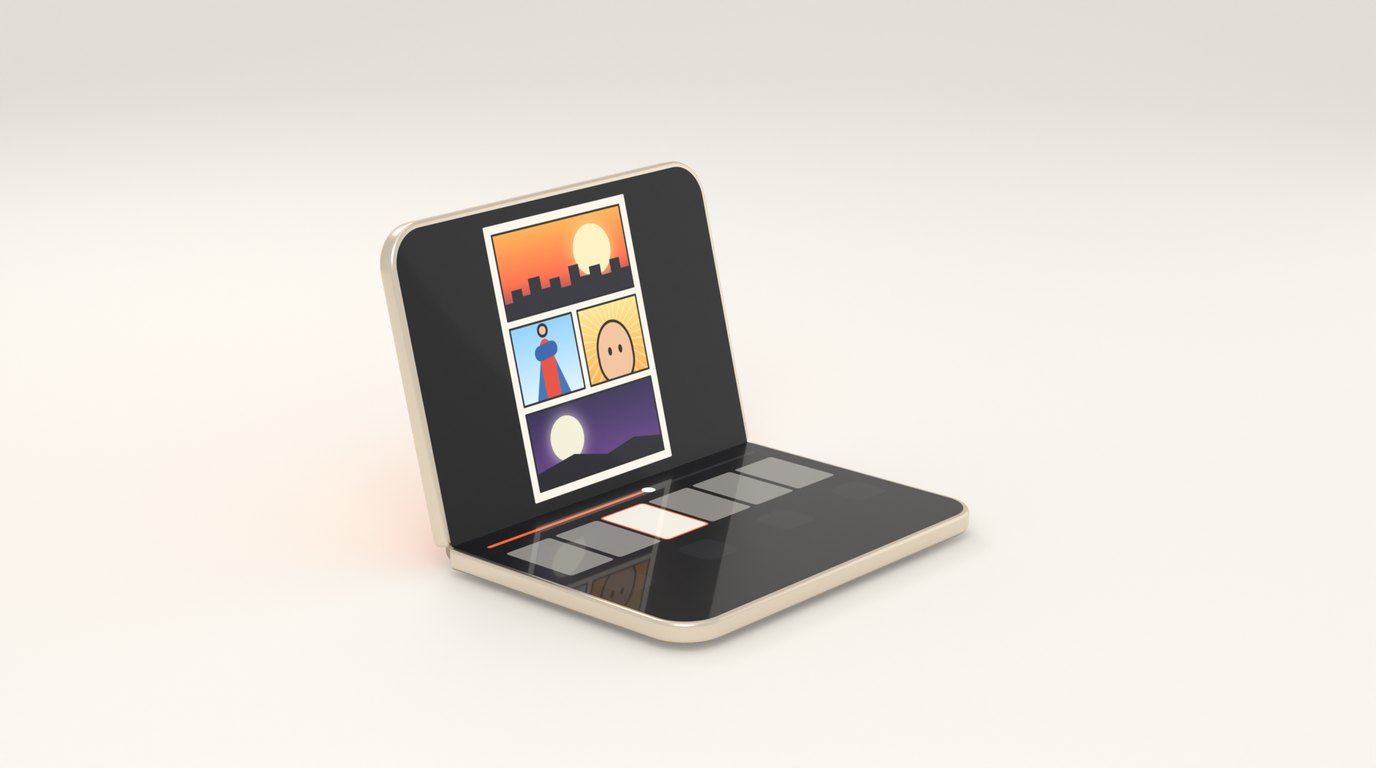
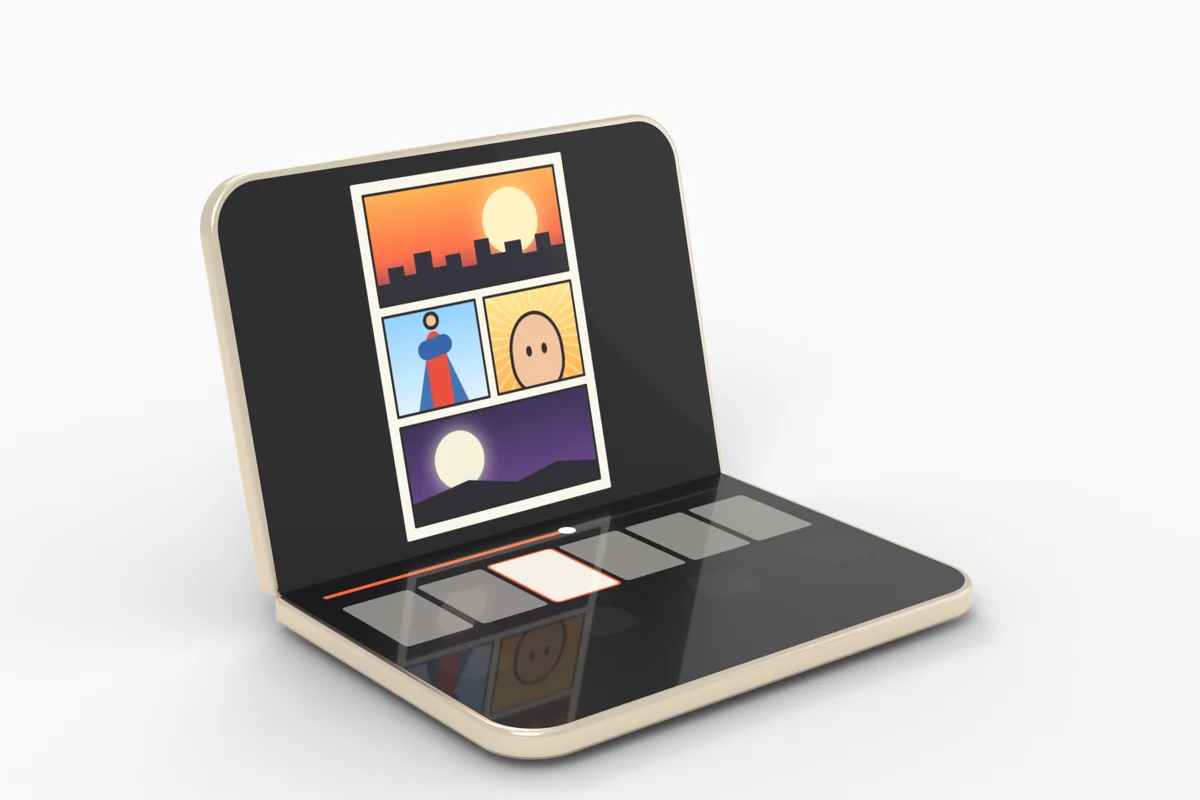
An iPhone Duo in tabletop pose with a page above the fold and controls below
TabletopSomething to look at above the fold, controls below it.

What I'm building

A set of apps where the fold is the reason for the work, not a layout the app tolerates. I name each one when it is close to shipping.

Reading Coming in 3.5

ComicFlow

Comics read like a book: the fold is the gutter, and each page gets its own leaf.

PosesA bigger canvas
Studio Planned for 23 October

Fold Cue

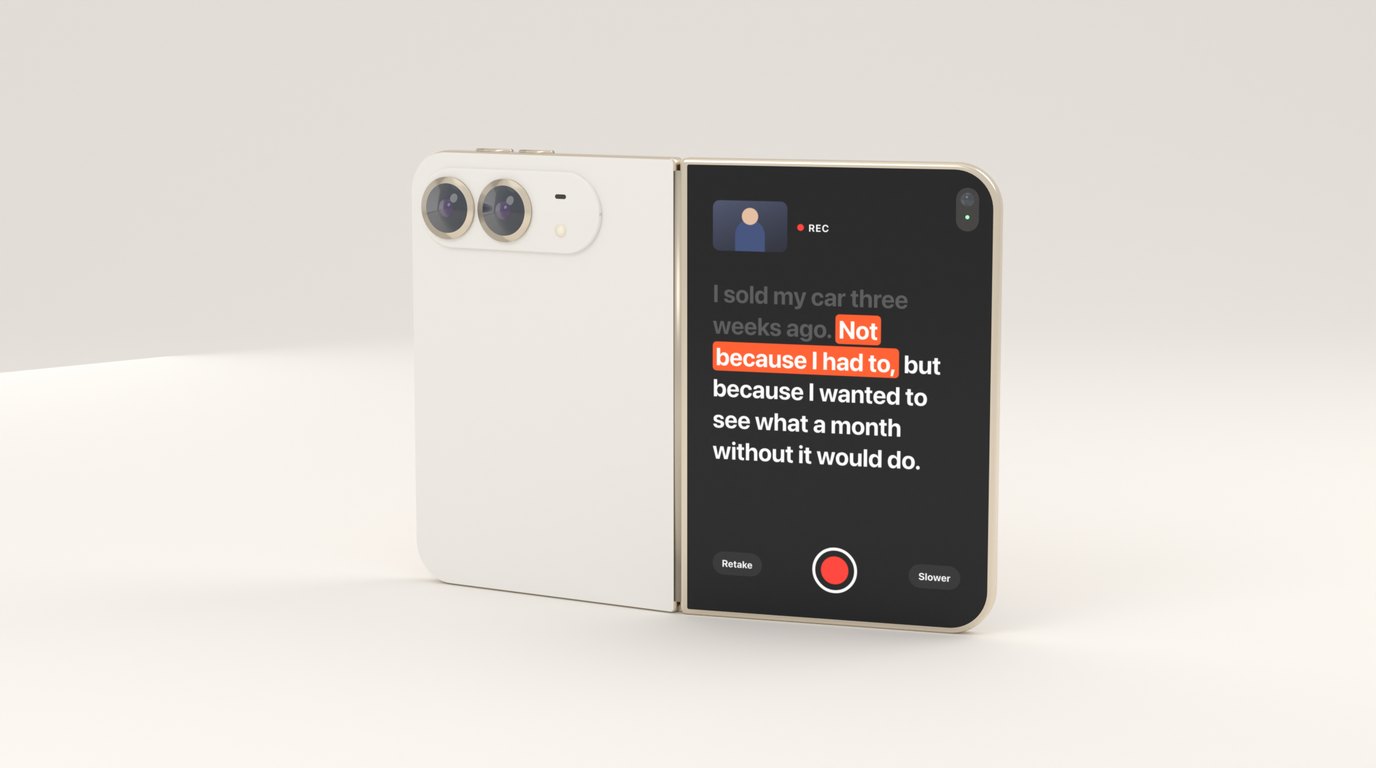
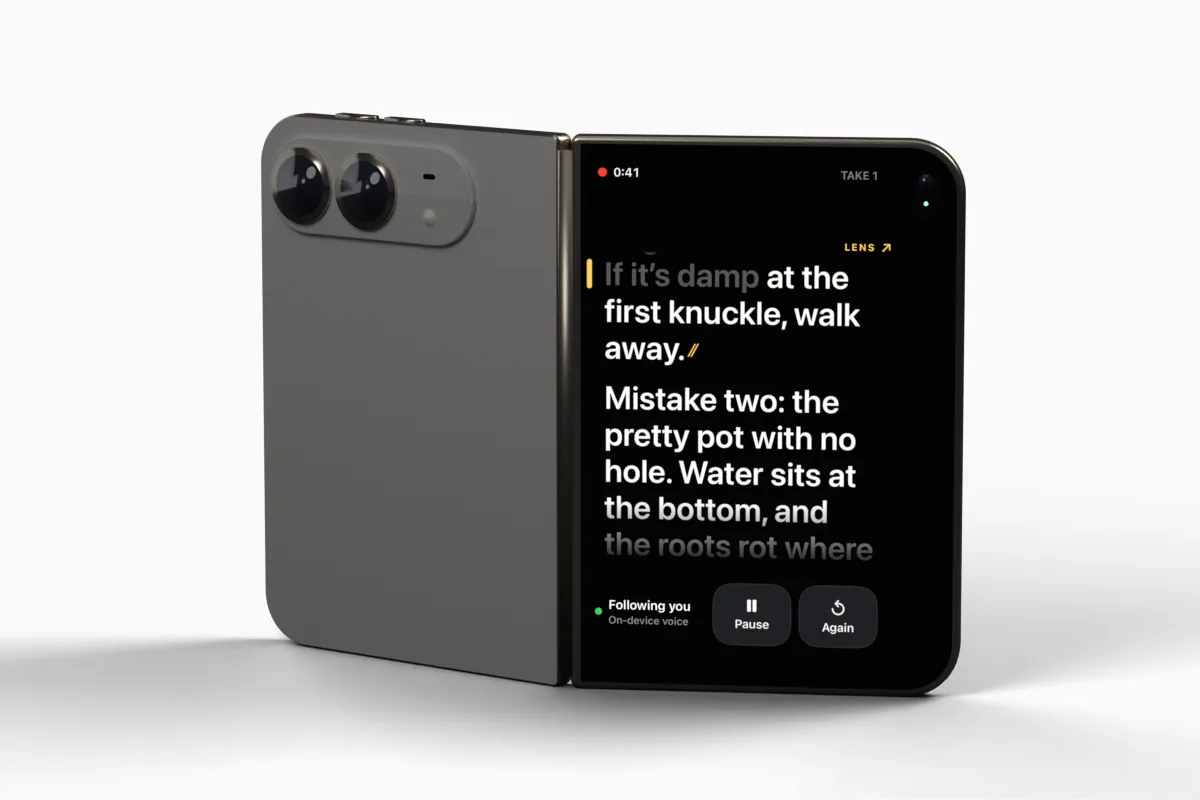
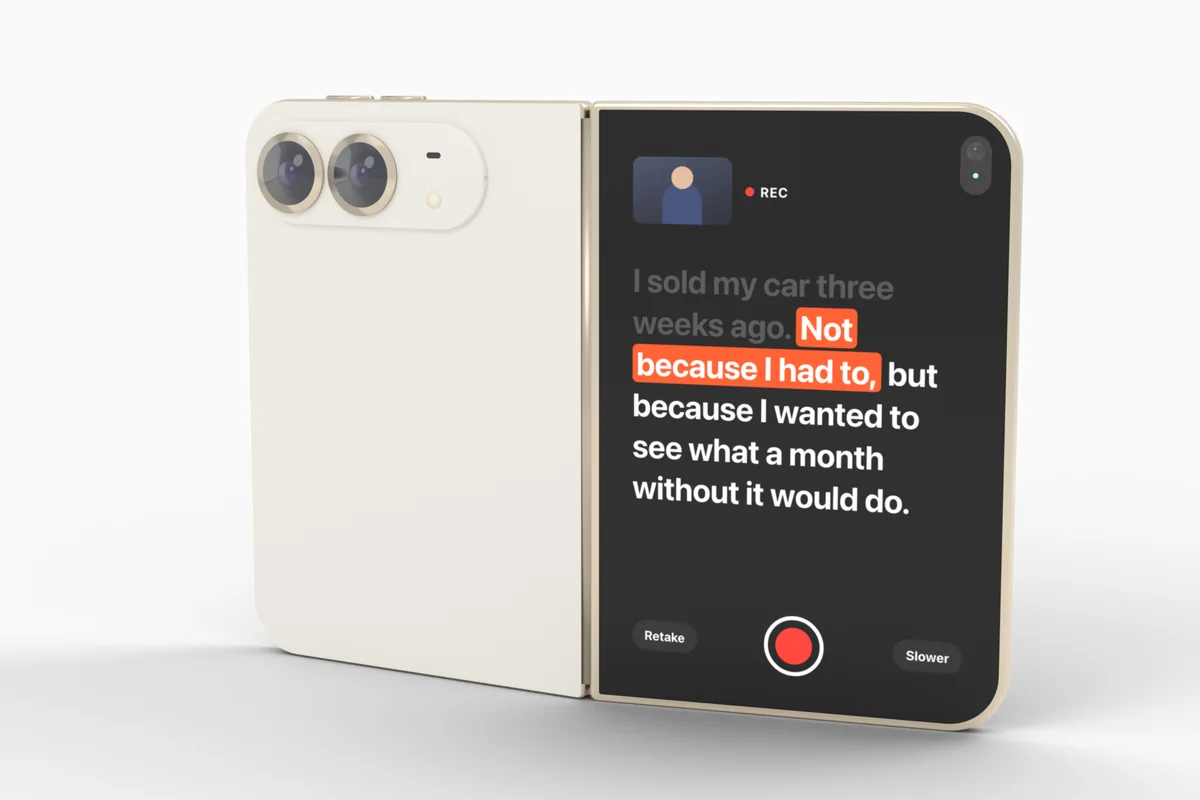
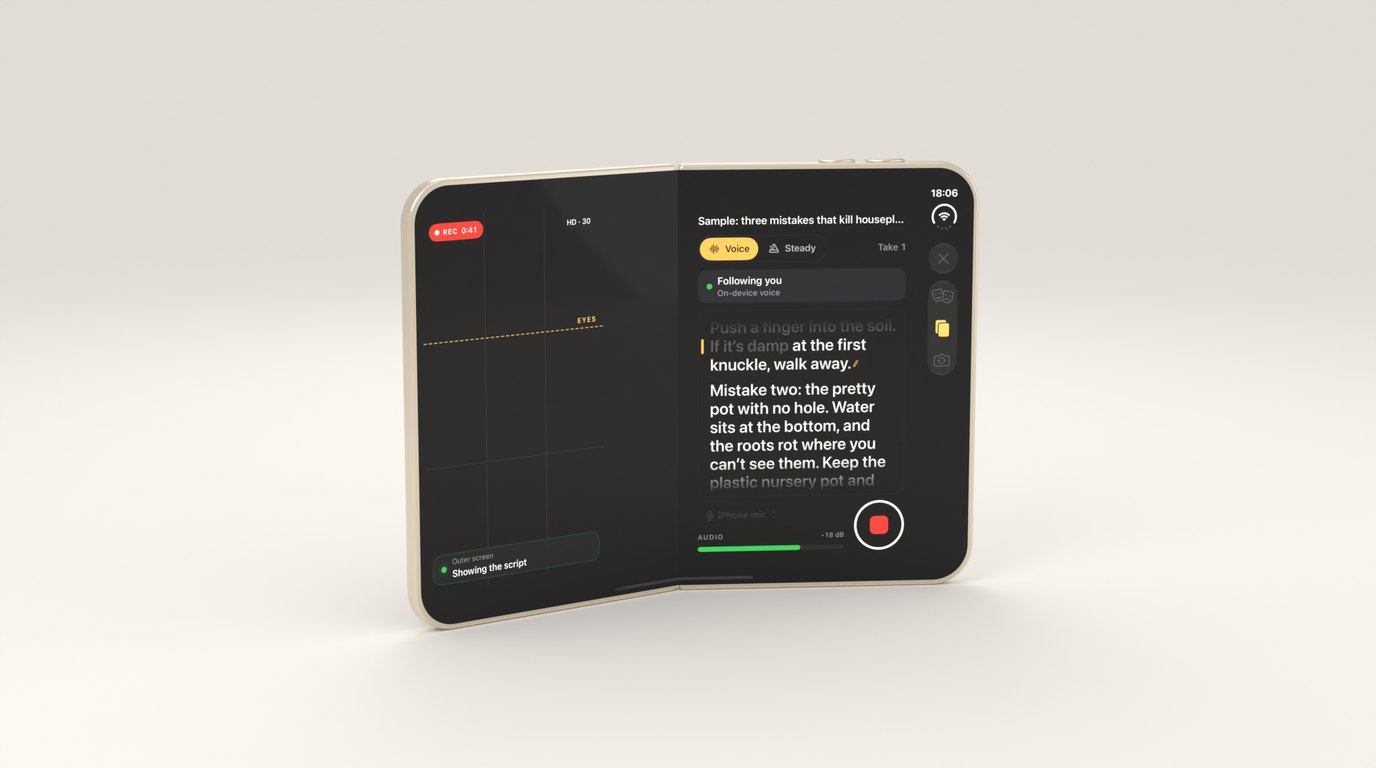
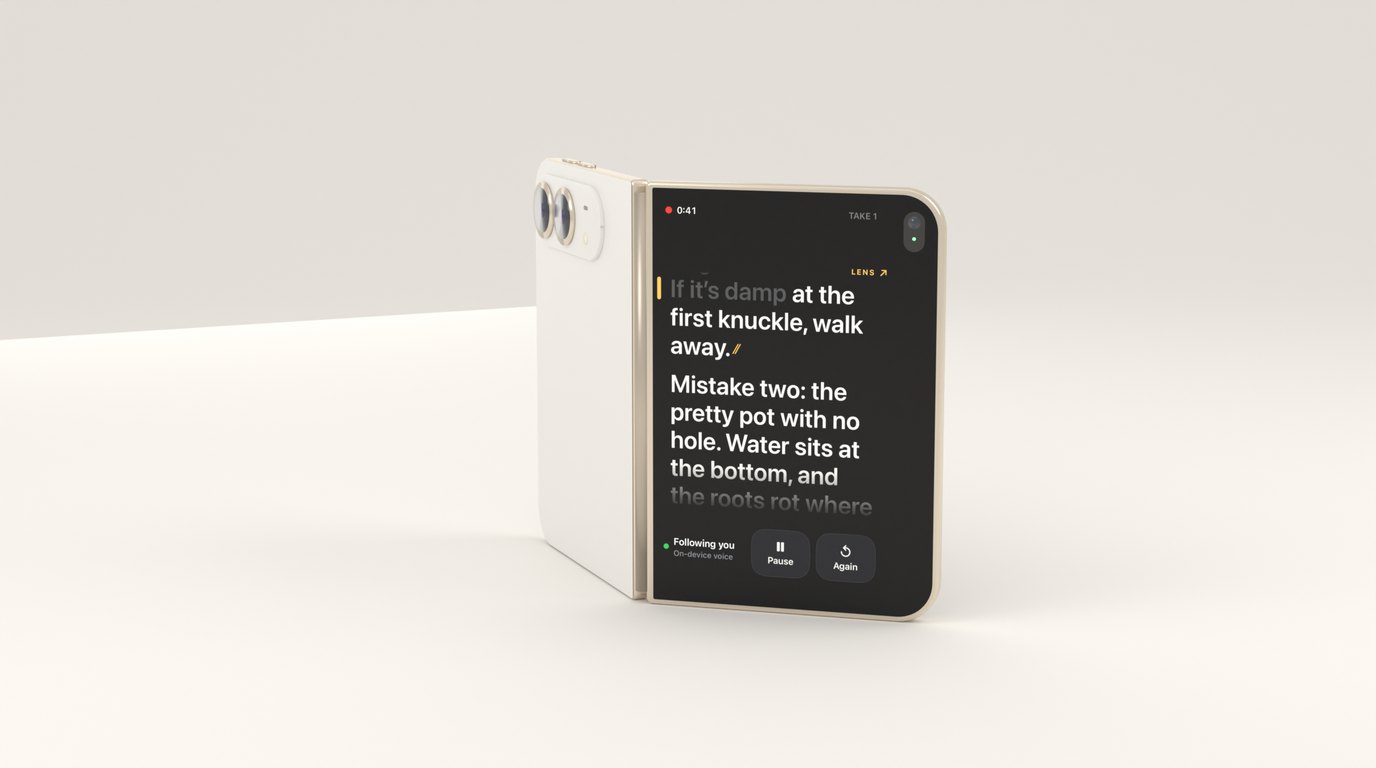
A teleprompter that records you. The script faces you on the outer screen, right beside the lens, and follows your voice.

Two audiences
Play In development

Not announced yet

Games for two people and one phone, played across the table and with the hinge.

The hinge as inputPoses
Kids In development

Not announced yet

Books and paint that behave like paper when you open and close them.

The hinge as inputPoses
Music In development

Not announced yet

Instruments where folding the phone is part of how you play.

The hinge as input

What makes an app a Duo app

Rebuilding with the current SDK gives every app the bigger screen for free, so that alone is not a reason to choose one app over another. These are the parts only this phone has.

The back of an open iPhone Duo: the rear camera on one half and the outer screen showing a script on the other

Two audiences

Outer screen while the camera runs

While an app is using the camera, full screen on the inner display, the system can show content from the app on the outer screen, facing the person being filmed, including simple controls. Apple says camera use is the only supported case, for now.

CameraCaptureAccessoryUISceneAccessory.cameraCapture
An iPhone Duo partly folded, seen from the side so the hinge and the angle between the halves are visible

The hinge as input

A live hinge angle and state

Apps can read whether the device is closed, partly open or fully open, plus a continuous angle. Apple positions it for interactions and effects rather than layout, and makes no promise about how often it updates.

onHingeChangeUIHingeInteraction
An iPhone Duo in tabletop pose: a comic page on the upright half and reading controls on the half lying flat

Poses

Book, tabletop and flat

Partly folded, the fold becomes a reserved region that splits the inner screen. That gives a book with a spine, or a tabletop with a view above and controls below.

reservedRegions(kind: .division)ArrangementView
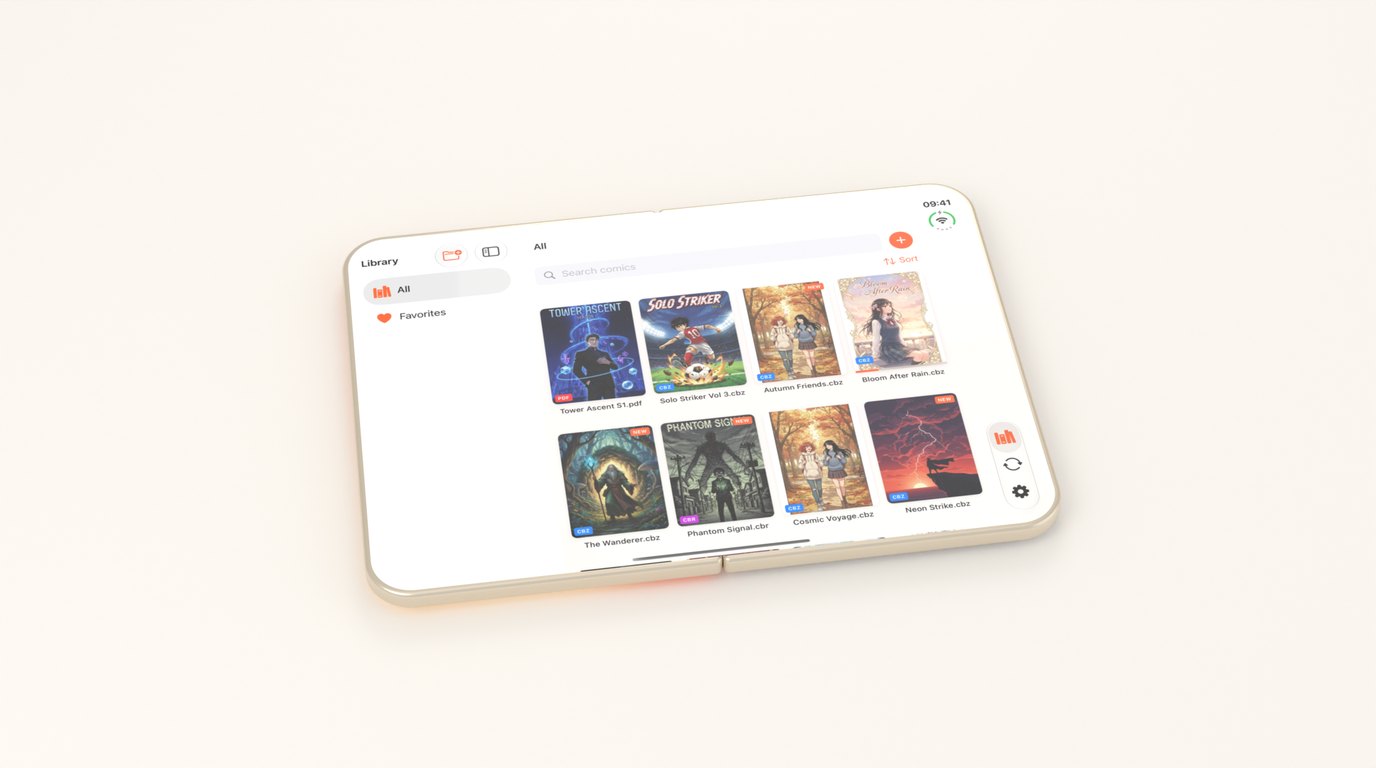
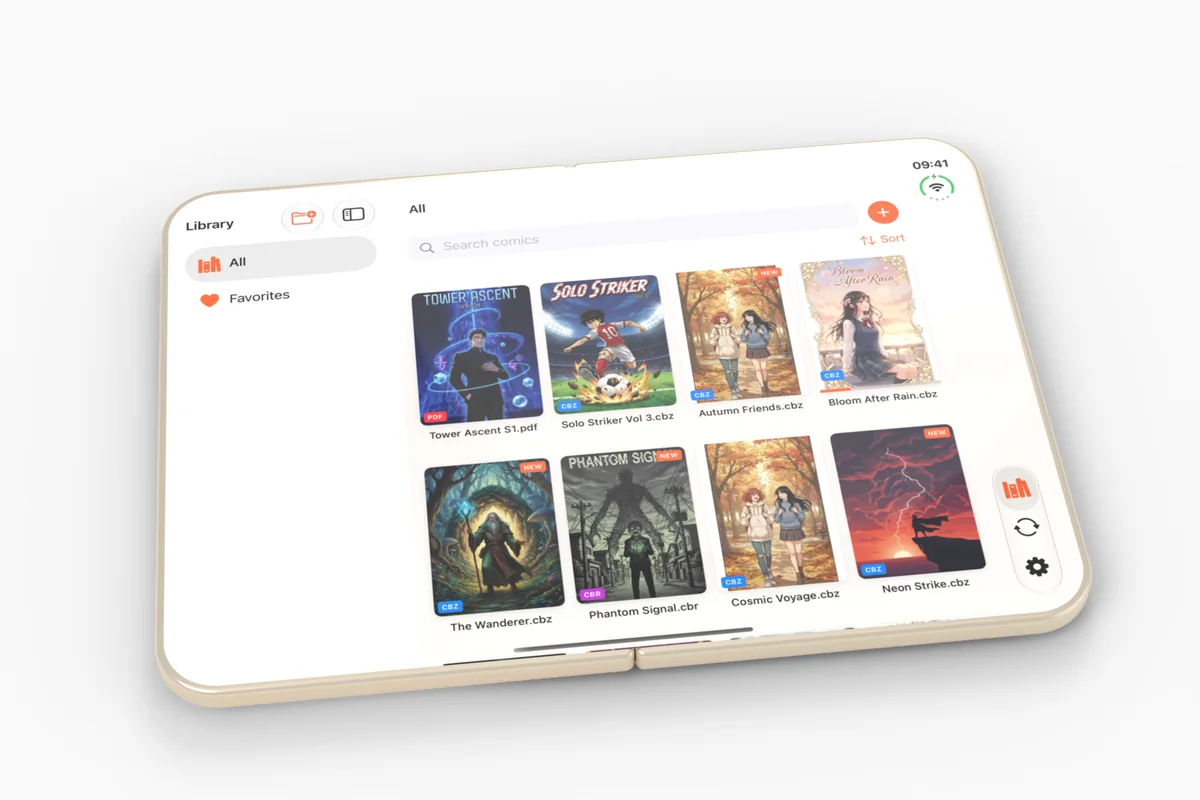
An iPhone Duo lying open and flat, showing a comic library with a sidebar across the whole inner screen

A bigger canvas

Regular width on the inner screen

The inner screen reports regular width, like an iPad. Every app rebuilt with the current SDK gets this, so on its own it does not make an app a Duo app.

size classes

Writing about iPhone Duo

Technical notes and the reasoning behind what I build.

Designing Fold Cue around an outer screen I can't test yet

Fold Cue's best feature on iPhone Duo is the script on the outer screen, beside the camera. The system decides when that screen is mine, and I won't hold a Duo until it goes on sale. So the app is designed to be fine without it.
What Fold Cue would never cut, and what it isn't trying to be

Fold Cue was planned in a hurry, for a phone that isn't out yet. The most useful part of the plan wasn't the feature list. It was deciding in advance what would never be traded away when time ran short, and what the app wasn't going to try to be.

I'm building apps for a phone I haven't held yet

iPhone Duo isn't in anyone's hands yet, and I'm already building for it. Why now, what makes an app a Duo app rather than a big phone app, and the kinds of app I've decided not to build.

The lines that made ComicFlow assume every iPhone was the same shape

Running ComicFlow in the iPhone Duo simulator showed stretched layouts, phone-sized covers and a reader that decided on spreads by orientation. The Duo exposed them, but several of the bugs were already shipping on iPad.

The iPhone Duo's inner screen is drawn larger than its panel

The simulator, App Store Connect and Apple's spec sheet give different pixel sizes for the iPhone Duo's inner display. None of them is wrong. The simplest explanation is that the system renders larger than the panel and scales down, which is one more reason to lay out in points.

On iPhone Duo, the outer screen belongs to apps using the camera

Third-party apps can show interactive content on the iPhone Duo's outer screen while they run on the inner one, but only through a camera capture accessory. That one rule decides which Duo ideas are possible, and it closed off a few I wanted to build.

Reading the hinge on iPhone Duo, and designing around what Apple won't promise

iOS 27.1 gives every app the iPhone Duo's hinge status and a live angle, with no entitlement. The API is small. The interesting part is the one promise Apple leaves out, and how to design an interaction that doesn't need it.

Setting up the iPhone Duo simulator, and the things that tripped me up

The iPhone Duo simulator ships in the Xcode 27.1 beta. Getting it running took one surprise from xip, a renamed Simulator app, a permission error on my external drive, a noisy first boot, and screenshots that came out black.

Quick answers

The questions people ask most about iPhone Duo, answered from Apple's own pages and the SDK.

What is iPhone Duo?
iPhone Duo is a foldable iPhone from Apple, announced on 9 September 2026. It has a 7.6-inch inner display that folds, and a 5.4-inch outer display for using it closed like a normal phone.
When can you buy iPhone Duo?
Pre-orders open on Friday 16 October 2026. It is available from Friday 23 October 2026 in the first countries, with more regions from Friday 30 October.
Do existing iPhone apps work on iPhone Duo?
Yes. An app built with the iOS 26 SDK or earlier runs at a familiar size and aspect ratio when the device is open. Rebuilt with the iOS 27.1 SDK, it runs edge to edge on the inner display with regular width, like an iPad.
What makes an app an iPhone Duo app?
The parts only this phone has: poses like book and tabletop, where the fold splits the inner screen, the hinge as an input, and the outer screen facing the person being filmed while the camera runs. The bigger screen alone does not count, because every app rebuilt with the current SDK gets it.
Which apps support iPhone Duo?
Apple named Netflix, Zoom and Slack at launch. From heynavid, Fold Cue is a teleprompter that shows your script on the outer screen beside the main camera, planned for 23 October 2026, and ComicFlow gets a book pose with the fold as the gutter of a two-page spread in version 3.5. The directory at heynavid.com/duo/apps/ lists each app with where its claim comes from.
Is this site affiliated with Apple?
No. heynavid is the independent site of Navid, an indie iOS developer. iPhone Duo is a trademark of Apple Inc.

iPhone Duo is a trademark of Apple Inc. This site is independent and is not affiliated with, sponsored by, or endorsed by Apple. Facts last checked September 26, 2026. Spotted something out of date? Tell me.